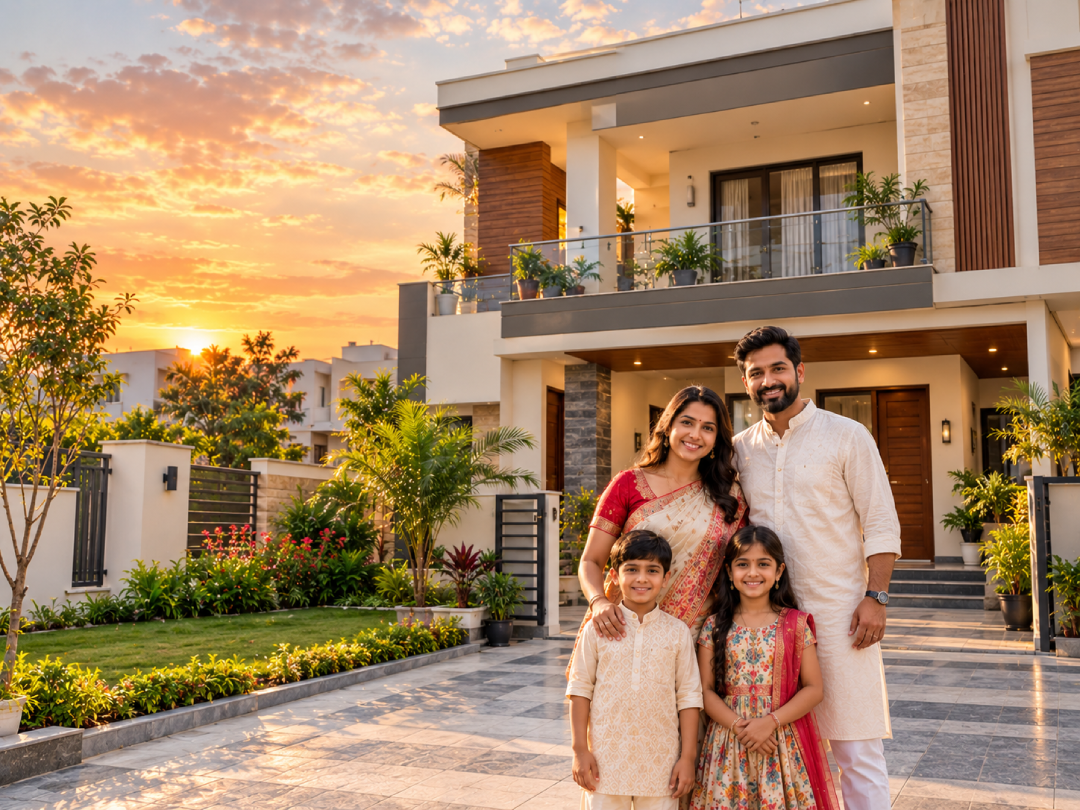

If you are planning to build your dream home, here are five common mistakes to avoid, along with simple, practical ways to get your project right from day one.
Jaipur is a beautiful blend of rich heritage and modern
living. As the city expands, more families are choosing to build custom luxury
villas instead of buying ready-made apartments. After all, a custom home is a
reflection of your achievements, tastes, and lifestyle.
However, building a luxury home in Jaipur is very different
from standard house construction. It involves intricate designs, premium
materials, complex engineering, and navigating local government regulations.
Many homeowners start this journey with high excitement, only to face delays,
budget overruns, and compromised quality.
If you are planning to build your dream home, here are five
common mistakes to avoid, along with simple, practical ways to get your project
right from day one.
1. Ignoring the Extreme Jaipur Climate
Jaipur experiences intense weather. Summers routinely touch
45 degrees Celsius, followed by heavy monsoon rains and cold winters. A common
mistake is copying western home designs with massive glass facades facing west
or south. This creates a greenhouse effect, making your home incredibly hot and
forcing your air conditioning bills to skyrocket.
How to solve it: Work with premium home constructionJaipur experts who understand the local climate. Incorporate traditional
Rajasthani design principles with modern technology:
- Use
passive cooling techniques, such as thick thermal mass walls or cavity
walls to block heat transmission.
- Integrate
central courtyards, historically called "Angans." These create a
chimney effect, pulling cool air through lower windows while venting hot
air upward.
- Choose
native stones like Dholpur beige sandstone or local lime plasters
(Chunam). These materials breathe naturally and handle the dry Rajasthan
heat far better than imported synthetic finishes.
2. Missing JDA Bylaws and Approval Details
The Jaipur Development Authority (JDA) has strict rules
regarding plot construction. These include setbacks (the empty space you must
leave around your house), ground coverage, floor-to-area ratio (FAR), and
basement regulations. Failing to plan according to the latest Rajasthan
building bylaws can lead to heavy penalties, construction delays, or even
demolition notices.
How to solve it: Ensure you prioritize JDA approved
luxury villa construction before breaking ground:
- Respect
the setback requirements. For example, smaller plots under 180 square
meters have different setback rules compared to larger luxury plots.
- Ensure
your architect calculates the height and floor limits properly. If your
facing road is wide enough, you might be allowed to build up to ground
plus three floors, but this must be officially approved.
- Hire
experienced luxury home builders in Jaipur who handle the entire JDA
approval process as part of their turnkey service, saving you from endless
paperwork.
3. Coordinating with Multiple Local Contractors Yourself
Many homeowners try to save money by hiring separate
contractors: one for civil work, one for plumbing, another for electrical
wiring, and a separate team for premium interiors. This often leads to a
coordination nightmare. The interior designer blames the civil contractor for
uneven walls, while the electrician blames the plaster team for blocked
conduits.
How to solve it: Building a luxury home requires
high-end, seamless coordination. The smartest choice is to partner with a
single, reliable turnkey builder:
- A
turnkey partner manages the entire project under one roof, from soil
testing and structural design to the final paint coat.
- This
single-point accountability saves you time, prevents finger-pointing, and
ensures that the final finish matches your 3D design perfectly.
- You
can focus on your work and family while your builder handles day-to-day
coordination, quality checks, and material procurement.
4. Spending on Cosmetics While Compromising the Structure
It is easy to get excited about premium Italian marble,
modular wardrobes, and smart home automation. However, a beautiful house built
on a weak foundation will soon show cracks, dampness, and structural damage.
Rajasthan’s soil quality varies significantly from area to area, especially in
newly developing luxury pockets like Jagatpura or Mansarovar.
How to solve it: Prioritize the hidden aspects of
construction before thinking about aesthetics:
- Conduct
a proper soil test before starting construction. This determines the exact
type of foundation your house needs.
- Never
compromise on the grade of steel (such as Fe500) and cement (such as OPC
53 grade).
- Invest
heavily in professional, multi-layered waterproofing for the basement,
toilets, and rooftop. Repairing water leakage in a finished luxury villa
is incredibly expensive and ruins premium wooden flooring and paint.
5. Setting an Unrealistic Budget Without a Detailed BOQ
Many people start construction with a rough estimate per
square foot. However, standard square foot rates often exclude essential items
like compound walls, designer main gates, professional landscaping,
double-glazed windows, and premium electrical wiring. When these costs pop up
mid-way, it causes immense stress and delays.
How to solve it: Insist on a detailed Bill of
Quantities (BOQ) before signing any contract:
- A BOQ
lists every single item, from the brand of pipes to the exact thickness of
your glass window panes, along with their precise costs.
- Ensure
your agreement includes clear payment milestones linked to physical
progress, like foundation completion, roof casting, and plastering.
- Keep a
10 to 15 percent contingency budget to handle any unexpected material
price spikes during the build.
Conclusion
Building a premium villa in Jaipur should be a joyful
milestone, not a source of constant stress. By avoiding these common mistakes
and focusing on local climate adaptation, strict legal compliance, and solid
structural work, you will create a heritage home that stands strong for
generations.
To bring this vision to life effortlessly, choose the best
construction company in Jaipur that combines local expertise with professional
engineering standards. This ensures that your home is not only stunning to look
at but also safe, climate-friendly, and comfortable to live in.
Tags